Does the aroma of burnt grease linger in your home long after dinner is finished? If you’ve ever wondered if the smoke and steam from your busy kitchen are doing more than just making things smell good, you're in the right place. Kitchen exhaust ducts are far more than just metal tubes; they are complex air pathways that accumulate a sticky, flammable cocktail of grease, oil particles, and dust. Ignoring these ducts is like leaving a matchbox full of kindling next to a roaring fire—it’s a ticking time bomb. Understanding the best practices for kitchen duct cleaning Sydney isn't just about aesthetics; it's a critical step in maintaining air quality, protecting your appliances, and, most importantly, safeguarding your family. This comprehensive guide will walk you through why professional cleaning is non-negotiable, what to expect from the process, and how to keep your kitchen running like a well-oiled machine.
Why Duct Cleaning is Crucial for Sydney Homes
Many homeowners view duct cleaning as a mere maintenance chore, but the reality is that the buildup inside your kitchen ventilation system can significantly impact your health and safety. The grease and debris that accumulate are https://telegra.ph/Mastering-the-Exhaust-Fan-Grease-Degreasing-Sydney-Process-for-Peak-Performance-06-04 often invisible until they are too thick to ignore.
The Health Implications of Dirty Ducts
The particles trapped in your ducts are not merely dust; they are a complex mixture of airborne pollutants, cooking residue, and sometimes even mold spores. When the fan operates, it circulates these irritants throughout your home.
- Air Quality Degradation: Constant exposure to stale, grease-laden air can exacerbate respiratory conditions. Allergen Buildup: Grease acts like a sticky net, trapping pet dander and cooking allergens, making the entire system a breeding ground for irritants. The Invisible Threat: As one local Sydney expert reminds us, "What you cannot see can still affect what you breathe." This emphasizes that even if your ductwork looks okay, the internal buildup can be hazardous.
Mitigating Fire Hazards and Improving Efficiency
Beyond health, the primary concern with neglecting ductwork is fire risk. Grease buildup, especially in the high-heat environment of a kitchen, is extremely flammable. Over time, this accumulation can reach a critical mass.
Consider this: If your ducts were a river, the grease buildup would be the sludge slowing the flow. A clogged system doesn't just smell bad; it actively impairs the performance of your range hood and exhaust fans. Are you truly getting the best ventilation, or are you simply moving the bad air around? Professional cleaning removes this flammable material, significantly reducing the risk of a catastrophic fire and allowing your appliances to function at peak efficiency.

Understanding the Professional Cleaning Process
When you are seeking the best practices for kitchen duct cleaning Sydney, you are looking for a systematic approach that goes far beyond simply spraying a hose inside the ducts. It involves comprehensive cleaning, inspection, and sealing.
Initial Assessment and Inspection
A reputable service provider will never jump straight into the cleaning process. The first step is always a thorough inspection. They will assess the ductwork's size, material, and the nature of the buildup. This initial assessment helps them tailor their cleaning methodology, ensuring they address the specific challenges presented by your kitchen layout.
During this phase, they will often use specialized cameras to visually inspect the ductwork, allowing them to pinpoint problem areas—say, a particularly greasy elbow joint or a section with structural damage.
Deep Cleaning Methodology
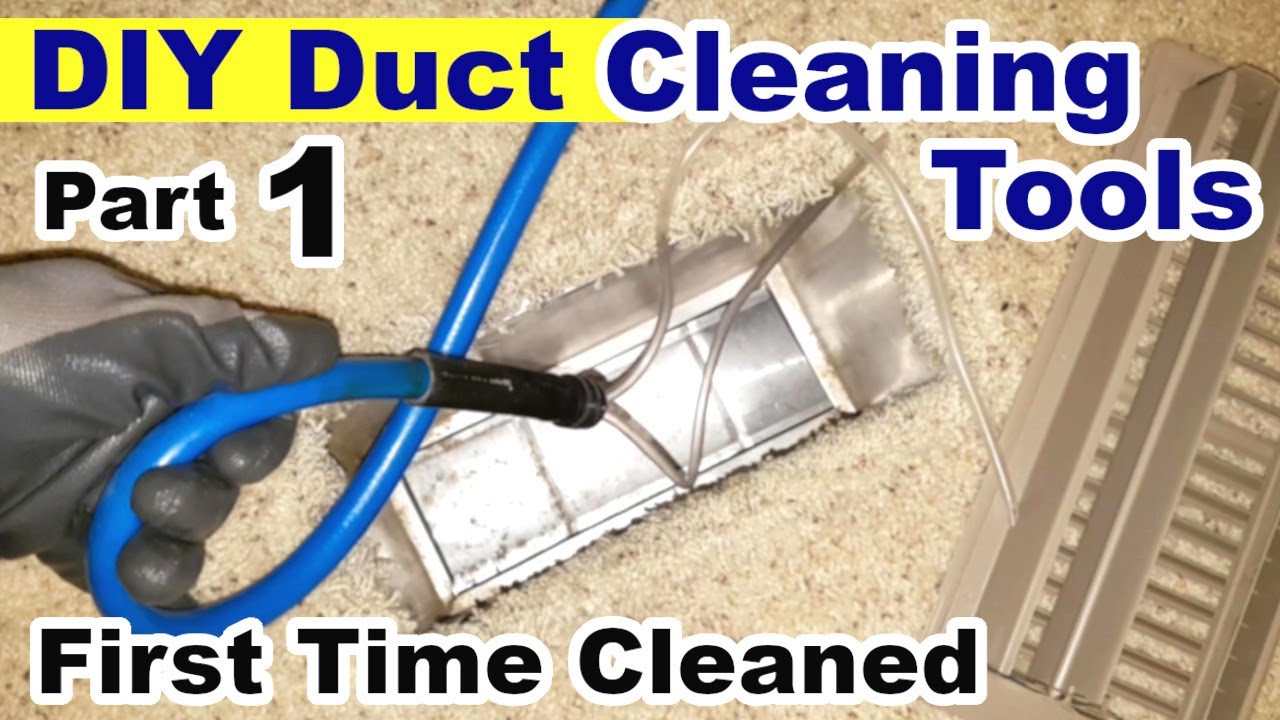
The actual cleaning process is meticulous and requires specialized equipment. Professionals use a combination of techniques to ensure every inch of the duct is reached and purified.
- Vacuuming and Extraction: High-powered vacuum systems are used to physically suck out loose debris and particulate matter. Chemical Neutralization: Specialized, non-toxic cleaning agents are applied to break down the hardened grease and oil residue, ensuring the materials are neutralized and safe for disposal. Flushing: Finally, the system is flushed with purified water and air to remove all residue, leaving the ducts pristine.
It reminds me of the time I saw a home with incredibly thick duct buildup; it was like trying to move a river boulder with a garden hose. The difference between a professional deep clean and a DIY rinse is night and day.
Long-Term Duct Health and Maintenance
Knowing the best practices for kitchen duct cleaning Sydney means understanding that cleaning is not a one-time fix; it's part of an ongoing commitment to home safety and air quality.
DIY Tips vs. Professional Intervention
While it is tempting to try to manage the buildup yourself, the sheer scale and difficulty of cleaning a full ventilation system make it a job for experts. DIY efforts might include:
- Regular Filter Cleaning: Always clean or replace range hood filters according to the manufacturer's guidelines. This is your first line of defense. Grease Trap Maintenance: Ensure your kitchen plumbing and grease traps are properly maintained to prevent clogs that can affect ventilation. Monitoring Odors: If you notice persistent, strange odors, it is a strong indicator that professional help is needed.
However, when the buildup is deeply ingrained—the kind that coats the internal walls of the ducts—you need the industrial power and specialized knowledge that only professional duct cleaners possess.
Establishing a Maintenance Schedule
How often should you clean your ducts? This is highly variable, depending on your cooking habits, the type of appliances you use, and the overall ventilation of your home. However, generally speaking, if you cook large meals, use high-heat appliances frequently, or if your home has older, poorly maintained ductwork, scheduling a comprehensive clean annually is a prudent measure.
Choosing Your Duct Cleaning Partner
The quality of the service provider is just as important as the service itself. When researching the best practices for kitchen duct cleaning Sydney, look for companies that prioritize safety, transparency, and proven methodology.
When evaluating potential providers, consider these key elements:
- Licensing and Insurance: Ensure they are fully licensed and insured. This protects you should any damage occur during the process. Equipment Transparency: Ask what specialized equipment they use (e.g., negative air pressure machines, industrial vacuum systems). Guarantee and Warranty: A reputable company will stand by their work, often offering a guarantee on the cleaning process.
Ultimately, maintaining your kitchen ductwork is an investment in your health and the safety of your home. By adhering to the best practices, you ensure that your kitchen remains a haven—a place of delicious aromas, not hidden hazards. Taking the time to properly clean your ducts is a small act that yields enormous returns in peace of mind and structural safety.